Why it exists
On-board diagnostics monitor defined vehicle conditions and can store trouble codes and operating context when a monitored fault is detected.
Vehicle Fitness Tracker helps buyers, owners, renters, and road travellers understand what diagnostic data can reveal, what it cannot reveal, and when evidence should lead to a professional inspection.
A scanner captures evidence. Understanding comes from connecting the code, the conditions, the vehicle history, and a safe inspection.
Connect while parked. Read the evidence. Record the conditions. Decide what to verify next.
For owners, buyers, renters, and road travellers: connect safely, capture the conditions, interpret the evidence, and decide what deserves attention.
Record codes, readiness, symptoms, mileage, and operating conditions before making a repair decision.
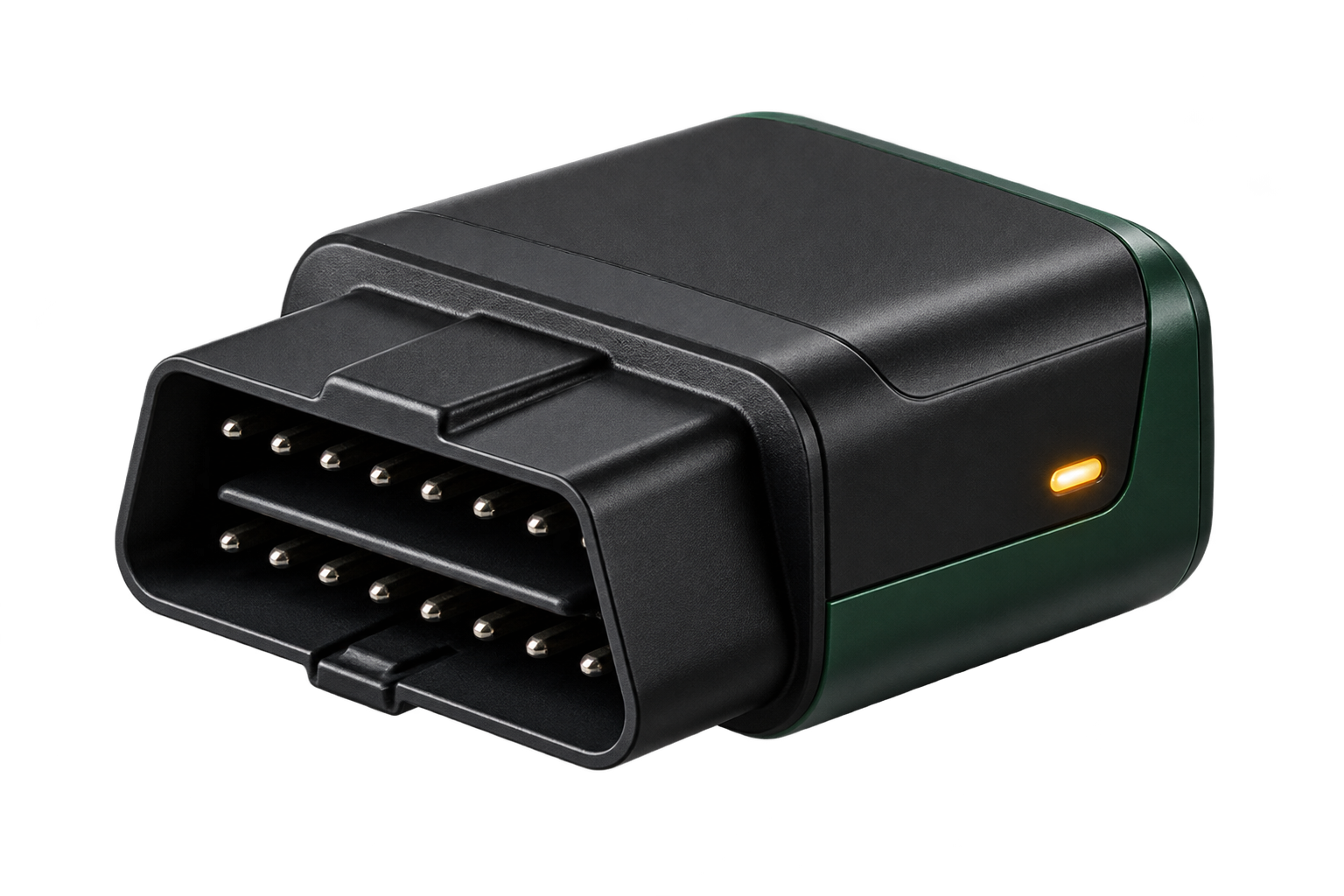 Illustrative, brand-neutral device. Compatibility varies.
Select a decision, then explore each evidence stage.
Four short screens explain the evidence habit used across the series.
Understand the system as a regulated diagnostic interface, not a promise that one device can see every vehicle system.
On-board diagnostics monitor defined vehicle conditions and can store trouble codes and operating context when a monitored fault is detected.
A wireless adapter can make supported data easier to review on a phone, but capability varies by vehicle, protocol, application, and permission.
A code is evidence of a detected condition. It does not prove which component failed or confirm that the vehicle is safe.
Regulation and standards have expanded diagnostic access across vehicle types and regions, while implementation still varies by category and model year.
Scan only while parked, obtain permission for vehicles you do not own, preserve records, and never clear evidence merely to extinguish a warning.
Diagnostics increasingly combine standardized emissions data with manufacturer-specific systems, secure access, electrified powertrains, and richer service information.
A practical narrative about using heavy-duty diagnostic data as one input when screening used trucks, comparing histories, and preparing for an independent inspection.
Open book page →A road-trip guide to establishing a vehicle baseline, recording changes, and using parked diagnostic checks without treating a scanner as a substitute for safety judgment.
Open book page →A buyer-focused method for combining motorcycle diagnostic information, service records, seller permission, and a physical inspection before purchase.
Open book page →A structured used-car screening process that uses readiness, stored faults, live data, written records, and an independent inspection to reduce uncertainty.
Open book page →A whole-vehicle approach to used RV selection, separating chassis diagnostics from roof, weight, plumbing, propane, electrical, and living-space inspection.
Open book page →An introductory ownership guide built around a simple plug, pair, read method, careful symptom recording, and knowing when professional diagnosis is required.
Open book page →A travel-focused rental guide covering permission, compatibility, baseline checks, group riding, roadside evidence, and the limits of diagnostic tools abroad.
Open book page →A European motorcycle-rental narrative about documentation, legal readiness, a parked baseline, heat, load, and clear return-condition records.
Open book page →A renter-oriented guide to owner permission, short parked scans, stop-and-report decisions, fuel logging, and the boundary between chassis and house systems.
Open book page →A cross-border rental method focused on evidence before departure, repeatable parked checks, weather exposure, roadside communication, and drop-off records.
Open book page →A practical EV-rental guide explaining the limited reach of generic diagnostics, range tracking, heat, charging context, and behavior that may resemble a fault.
Open book page →An operating guide for turning diagnostic records into a routine for maintenance conversations, claims, trend detection, and first-year fleet decisions.
Open book page →A motorcycle troubleshooting narrative focused on compatibility, service-code context, building a basic kit, recording a baseline, and communicating useful evidence.
Open book page →Ffion Winterbourne learns to separate stored and pending faults from symptoms while caring for an older diesel Ford Focus and preparing for MOT decisions.
Open book page →Ffion uses MOT history, readiness status, stored evidence, a test drive, and Dai's independent inspection to assess a used car before purchase.
Open book page →Vern Kalkwarf and his daughter Katie use engine hours, regeneration history, fault records, and physical inspection to reduce uncertainty around a used tractor.
Open book page →Katie and Vern establish a working tractor baseline using heavy-duty diagnostics, operating conditions, and maintenance records without treating data as a final diagnosis.
Open book page →Dana Steenblock and her sister Katie work through California smog-test anxiety by understanding readiness monitors, drive cycles, and the effect of clearing diagnostic evidence.
Open book page →Renee Dupelle, Marc, and Katie use careful code reading, symptom records, and winter context to improve repair conversations during a cross-border family journey.
Open book page →Search 148 issue records by vehicle, evidence type, book, or outcome.